Squirrels are usually the kind of wildlife most people barely notice beyond a quick glance in the garden or park, but recently, some sightings have sparked a wave of uneasy reactions.
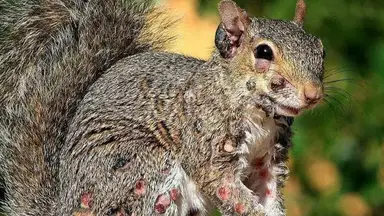
Images shared across social media show some of the furry creatures with strange lumps and wart-like growths covering parts of their bodies, making it very easy to be unsure whether what people have been seeing was an illness, injury, or something else entirely.
One concerned Reddit user posted photos spotting a squirrel with a mass on its face, explaining that at first they believed it was eating something before realising ‘the mass was on its face’. The original poster initially suggested fibromatosis or a viral infection, but the specific cause remained a mystery.
As more pictures circulated in Maine, wildlife specialists have reassured that while the animals may look alarming, the condition is not a sign of some new outbreak. Reported by Bangor Daily News, experts later issued a warning after infected ‘zombie’ squirrels covered in warts were spotted in parts of the US, urging people to keep their distance and avoid interfering with them.
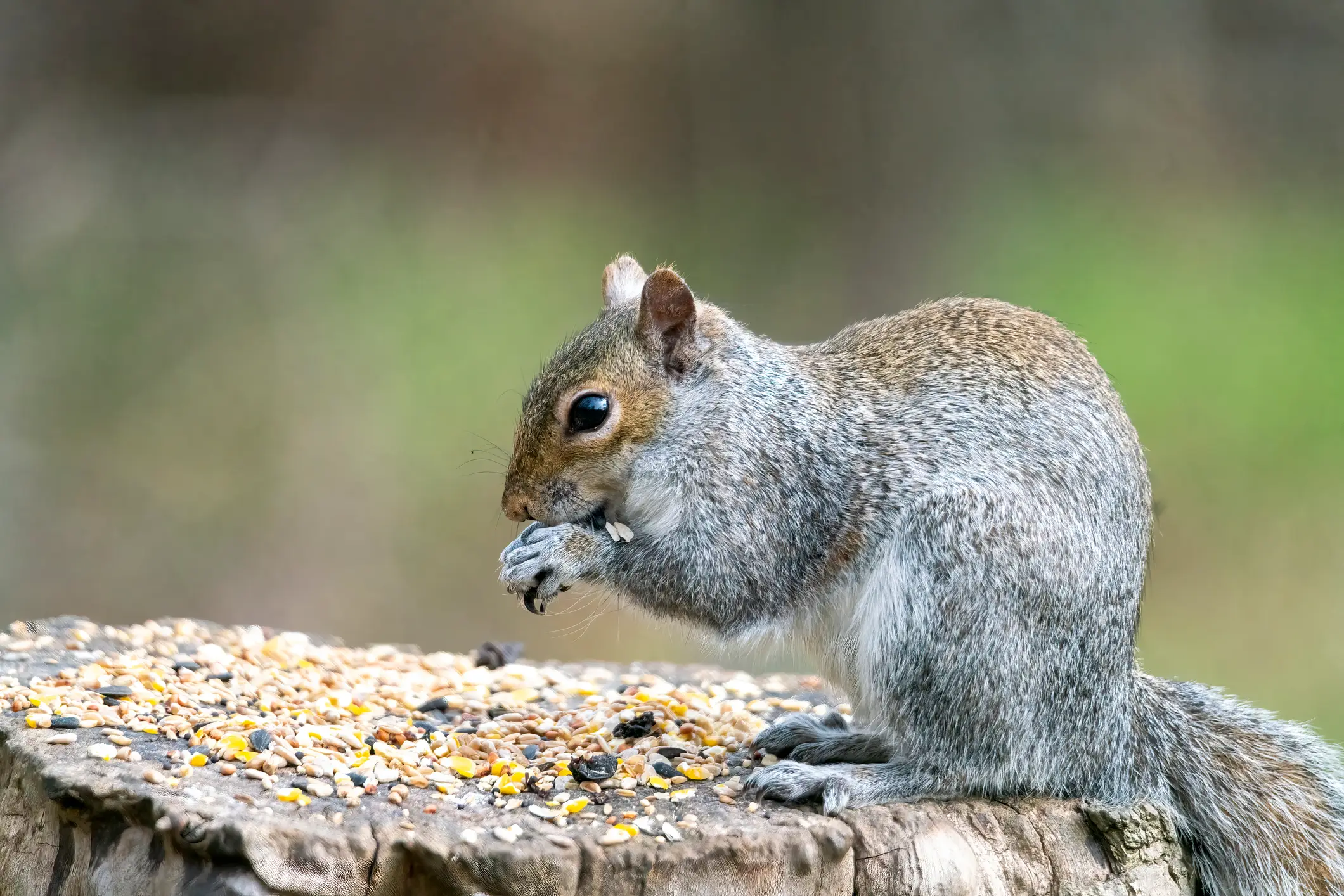
Experts warn feeders can become hotspots for spreading squirrel pox between animals (Alphotographic/Getty Images)
The growths have been linked to squirrel pox, a naturally occurring virus that can cause hairless lumps, sores, and raised skin around areas such as the eyes, mouth, and feet. Though the appearance has led some online users to compare the animals to something out of a horror film, specialists say the disease often runs its course without human intervention.
Shevenell Webb, wildlife biologist and furbearer specialist with the Maine Department of Inland Fisheries and Wildlife, previously advised against trying to help affected squirrels directly. Webb said: “I would not recommend trying to capture a squirrel that has the virus…It is naturally occurring and will run its course in time.”
The disease is believed to spread most easily when squirrels gather in large numbers, particularly around bird feeders, where saliva can contaminate shared surfaces. Webb explained: “It’s like when you get a large concentration of people. If someone is sick and it’s something that spreads easily, others are going to catch it.”
While the growths can look severe, experts say many squirrels recover on their own, and the virus is not known to infect humans or pets. In rare cases, the lumps may spread internally, which can prove fatal, but wildlife officials stress that the best response is simply to leave the animal alone.
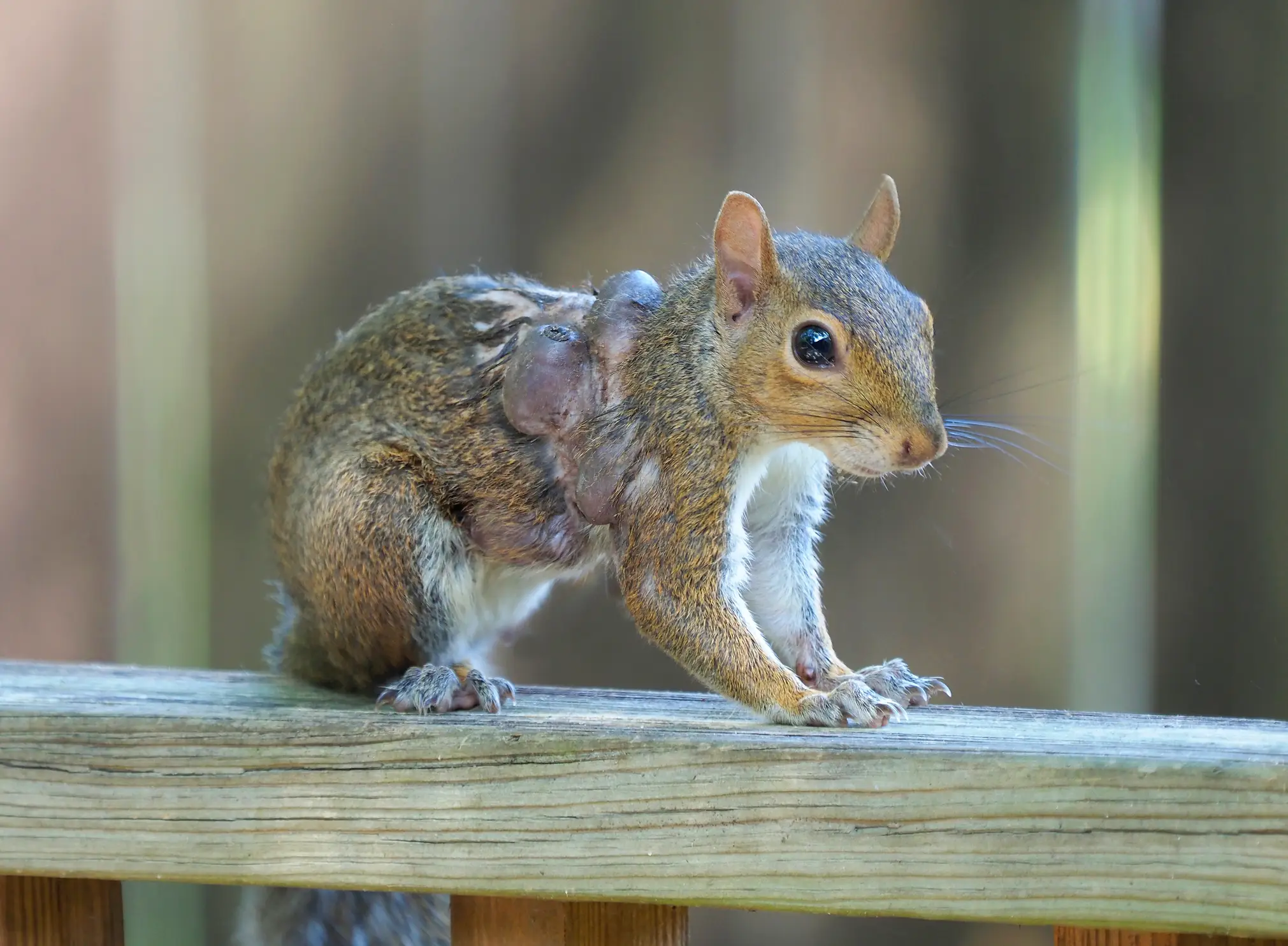
Also according to experts, parasites like botflies can cause unusual swellings and be mistaken for viral infections (sdbower/Getty Images)
Some specialists at Evelyn’s Wildlife Refuge have also pointed out that parasites such as botflies ‘tunnels through the flesh’ can cause similar swollen protrusions. In its warning, the centre added: “Only skilled rehabbers or vets should attempt to extract bots.” Regardless of the cause, rescue centres warn that only trained professionals should attempt any form of treatment or removal.
This isn’t the first case of a disease giving US animals a frightening look, with it not being too long ago since rabbits looked like they had ‘tentacles’ coming out of their faces, due to the cottontail papilloma virus.
Still, these diseases are certainly going to be staying in everyone’s mind for a while.When the matter was first being reported, one user on X (formerly Twitter) summed up how a lot of people were probably feeling when posting: “Zombie Squirrels?! Seriously?! FFS!!”